Roasted vegetable and cauliflower cheese tart

Preheat oven to 200c / gas 6. Prepare a 20cm loose bottom tin.

Ingredients:

Shortcrust pastry:

80 g rice flour, 140 g buckwheat or chestnut flour, 70 g ground almonds, 2 pinches of salt, 2 tsps ground linseed, 1/4 tsp xanthum gum, 100 g salted butter – chilled and diced, 2 eggs 3-4 tbsps cold water.

Method:

Mix all dry ingredients, rub in the butter with your fingertips until  it resembles  coarse breadcrumbs.
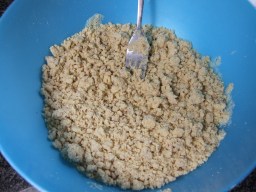
180416a

Stir in the beaten egg with a fork. Add small amounts of water as you toss the crumbs together. Continue until dough is formed. I find that a gluten free dough takes up more water than a wheat dough and is quite a sticky dough.Knead briefly to bring to a ball. Wrap

180416b

in parchment and chill for at least an hour.

Roll out and place in the flan tin. Prick the base with a fork ( I trim of the excess pastry after cooking to allow for shrinkage).Line pastry with parchment and baking beans.  Bake blind for 10 – 15 mins.
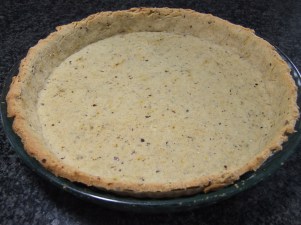
180416c

Filling

Ingredients:

Carrots, peppers, parsnips and sweet potatoes prepared and roasted in olive oil

Halved mushrooms  – sauteed

1 onion sliced in to rings – sauteed

Tomato sauce: chopped tomatoes, 1tsp of chilli, handful of chopped basil leaves and small carton of passata – simmered to reduce the water content

Cauliflower -cooked

Cheese sauce

Basil leaves

Assembly:

Finally put back in oven to heat through – 15-20 minutes (moderate temperature).
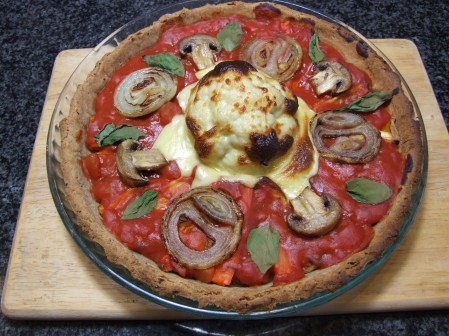
180416g

Granola

Ingredients:

Rolled oats – 2 cupfuls

1/2 cup each of cashew nuts, pistachio nuts, flaxseed, pumpkin seeds and sunflower seeds

Coconut oil – sufficient to lightly coat all the dry ingredients

20160414_155520

Spread out on a baking tray and roast in a hot oven for 10 minutes or until the nuts turn golden brown

20160414_162049

Allow to cool and store in an airtight jar. If it lasts this long, will stay fresh for a couple of weeks!  Enjoy playing with different combinations.


You don’t eat sugar!?

This what I was asked the other day.

My response was that I ensure I consume a minimum amount of fructose a day.

‘What…you don’t eat fruit? But fruit is good for you!’ was the immediate response..and a look of horror.

This got me thinking…

When I was child we had an apple a day (to keep the doctor away), we never ate bananas, had satsumas at Christmas time, grapes only when we were poorly and all other fruits were eaten seasonally – to go fruit picking was a family day out. And, as for dried fruit – in a wedding, Christening or Christmas cake or given as a present in the form of crystallized fruits at Christmas.

When did we start to eat so much fruit?

It is wonderful to be able to nip to a supermarket and see a plethora of fruit types from the usual to the exotic. But does this mean we should increase our intake?

I decided to cut back on sugar when I was informed of the different ways in which glucose and fructose are metabolised and the effects on the body. My understanding is ( I am not a doctor so I do not claim to be correct) every cell in the body can use glucose but the liver is the only organ that can metabolize fructose in significant amounts. When we eat a diet high in fructose the liver gets overloaded and starts turning fructose in to fat.

When I decided to ‘quit’ sugar for several weeks to let my body recalibrate the only sweet foods I ate regularly were medjool dates, dried apricots and a daily square of 85% plain chocolate. At the end of the first week I would have fought someone for a sugar fix! I was astounded. Seemingly even the small amount I ate was causing an ‘addiction’.

Again, I was informed that sugar, in the same way as cocaine, lights up the ‘pleasure centre’ in the brain which floods the body with dopamine – the feel good hormone. As this wears off another fix is needed. When we eat foods containing sugar often and in large amounts, the dopamine receptors start to down regulate so the next time we eat these foods, their effect is lessened so we need more to get the same level of ‘fix’. ie the sugar hijacks the brain chemistry to make us crave more and eat more.

Of course I intake sugars daily from milk in the form of lactose and from the vegetables I eat – but actively avoid other sources. When I occasionally eat some berries I really enjoy them but I ensure that I don’t eat them everyday. Do I feel better for this? Absolutely.


Baked avocado and feta cheese salad

I find avocado so versatile.This salad is so easy to prepare.

Ingredients: avocado, eggs, green leaves – rocket, watercress, spinach etc, and salad vegetables of your choice and feta cheese.

Method:

Cut an avocado in half and remove the stone. Crack an egg into each half – I used quail eggs. Pop  in the oven to bake until the egg is the desired consistency. Prepare the salad base and top with the baked avocado/egg.

110416l

Watercress, tomatoes, pomegranate seeds and feta cheese was the base salad here

Coconut granola

Ingredients: gluten free rolled oats, cashew and pecan nuts, chia and pumpkin seeds, unsweetened desiccated coconut, cinnamon and ground ginger and coconut oil.IMG_20160220_141928

Mix all the dry ingredients in a bowl and then add melted coconut oil – sufficient to coat the ingredients. Spread out on a baking tray and pop in to a hot oven for 5-10 minutes.

Allow to cool and then put in to a storage jar. If not devoured,  it will stay fresh for a couple of weeks.


Kefir, Kefir, I love Kefir!

I have a new obsession in my life…kefir. Having read many articles, seen many recipes and heard great things about this product I decided to try it. My first hurdle was to locate it. I eventually found a supermarket that stocked it – after many, ‘What’s that?’ responses to my queries around which aisle it was in.

What is Kefir?

Kefir is a cultured, creamy product made from any type of milk. It is made from gelatinous white or yellow particles called ‘grains’. These grains ferment the milk.

Why Kefir?

As well as beneficial bacteria and yeast, kefir contains minerals and essential amino acids that help the body with healing and maintenance functions. It is rich in vitamin B12, B1 and vitamin K.

I now ensure I drink kefir every day  – in smoothies or neat.

Glass of Kefir and piece of coconut bark (recipe posted).

20160319_172431

My next step is to locate ‘grains’ and start making kefir myself …

Mid – April I purchased some kefir grains – came by recorded delivery!

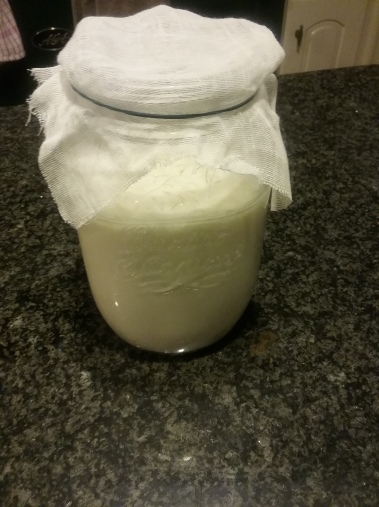
I now have Kevin the kefir grains working hard and providing me with a new batch of Kefir every 2 days.

20160508_215130